
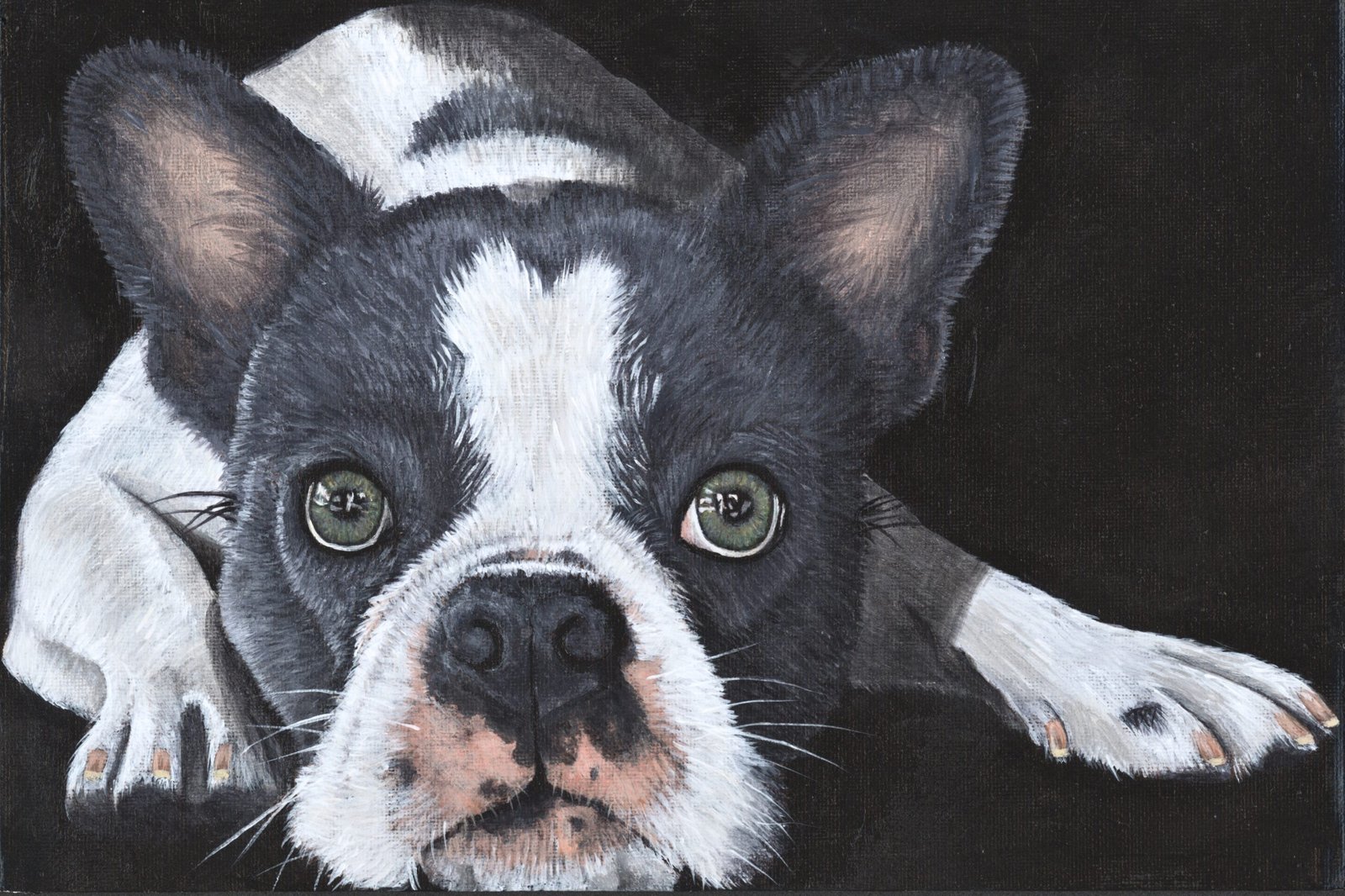
How to Commission Art Without the Stress
To Commission art should feel exciting, not intimidating. Whether you’re looking to mark a milestone, gift something meaningful or bring a personal vision to life, the process of working with an artist can be deeply rewarding. For many first-time clients, it can also feel like stepping into the unknown.
What if I don’t know what to ask for?
What if I say the wrong thing?
What if I don’t like the final piece?
These are common concerns and completely valid. The good news? A thoughtful, transparent commissioning process can eliminate most of the stress before it even begins. Here’s how to commission art with confidence, clarity and joy.
Start With Why: What’s the Purpose of the Piece?
Before you reach out to an artist, take a moment to reflect on your “why.” Are you commemorating a special event? Decorating a new space? Gifting something personal? Your intention will shape everything from the tone of the piece to the timeline and budget.
You don’t need to have a fully formed vision but knowing the emotional or practical purpose behind the commission helps the artist guide you toward the right format, size and style.
Tip: If you’re unsure, share a few words about the feeling you want the piece to evoke. “Playful,” “elegant,” “mysterious,” or “joyful” are all great starting points.
Understand What You’re Buying: Commission Art vs. Buying Prints
When you commission art, you’re not just buying a product, you’re entering into a creative collaboration. That means:
- The piece is made specifically for you, from scratch.
- You may be involved in shaping the brief, providing images or approving sketches.
- The price reflects not just materials, but time, skill and intellectual property.
Unlike buying a print or off-the-shelf artwork, a commission involves more back-and-forth, more nuance and more trust. But it also results in something truly one-of-a-kind.
Bonus: Many artists (myself included) offer clear breakdowns of what’s included and what’s not included – like framing is an optional extra, delivery details, or digital mock-ups – so you’re never left guessing.
Communicate Clearly – But Don’t Worry About “Speaking Art”
You don’t need to be fluent in art jargon to commission a piece. In fact, the best briefs often come from clients who are plain speakers and speak from the heart.
Here’s what’s helpful to share:
- The story or inspiration behind the piece
- Any must-haves (e.g. colours, themes, names, dates)
- Where it will live (e.g. above a sofa, in a nursery, on a website)
- Your timeline and budget
If you have reference images, Pinterest boards or even a favourite poem – send them! They help spark ideas and align expectations.
Ask About Process, Payment and Copyright Up Front
A professional artist will walk you through their process, but don’t be afraid to ask:
- What’s the timeline from start to finish?
- Do I get progress updates?
- What happens if I need to cancel?
You should also clarify copyright and usage rights. Most artists retain copyright, meaning they can share the work in their portfolio. But if you need exclusivity or commercial use, that should be discussed (and priced) accordingly.
Pro tip: Look for artists who provide contracts or written agreements. They protect both parties and set a clear foundation for the project.
Trust the Artist – But Stay Engaged
Once the brief is agreed, give your artist space to create – but stay responsive to check-ins or questions. A good commission is a two-way street: your input matters but so does the artist’s expertise.
If something feels off during the process, speak up early. Most issues are easier to resolve mid-way than after the final piece is complete.
Celebrate the Reveal
Receiving your finished artwork should feel like unwrapping a story you helped tell. Whether it’s a framed piece, a digital file or a sculpture, take time to appreciate the thought, care and craft that went into it.
And if you love it? Let the artist know! A kind testimonial or photo of the piece in its new home goes a long way and helps other clients feel confident commissioning art too.
Final Thoughts: Commissioning Art Is a Gift to Yourself (and the Artist)
At its best, commissioning art is a joyful exchange – your story, their skill and a shared sense of purpose. With clear communication, mutual respect and a little planning, it doesn’t have to be stressful at all.
In fact, it might just be the most meaningful thing you buy this year!
If you would like me to quote you for a commissioned piece of art then just click on the link below and I’ll get in touch with you within 24 hours.